
What is Digital Marketing? A Simple 101 Guide.
Have you ever spent five minutes searching for a specific cosmetic brand, a trending shoe or a T-shirt only to close your browser and move on with your day?
Then, an hour later, you open Instagram and there it is: an ad for that exact product. You switch over to YouTube to watch a video, and the pre-roll ad is a glowing review of the same brand.
It feels like a coincidence, or maybe like your phone is reading your mind. But in reality, it’s something much more strategic. The answer lies in understanding what is digital marketing and how it tracks our digital footprint.
What is Digital Marketing?
Digital Marketing is simply using the internet to connect with people. It is the art of reaching customers through the screens they use every day like phones, computers, and tablets rather than through traditional channels like billboards or newspapers. If a business uses a Google search, a social media post, or an email to get your attention, that is digital marketing in action. It’s about meeting people where they already spend their time: online.
Why is Digital Marketing important in 2026?
In 2026, the world will be almost entirely digital. People no longer just go online, they live online. Digital marketing is important because it is the only way to meet your audience where they actually spend their time.
Unlike traditional ads that guess who might see them, digital marketing is precise. It allows a business to show the right message to the right person at the exact moment they need help. In a world full of noise, it is the most effective way to build a real, honest connection with people, no matter where they are in the world.
Difference between Traditional vs Digital Marketing?
Traditional marketing, it’s a ‘one-way’ conversation where a business shouts a message at a large crowd using TV ads, billboards, or flyers. You can’t talk back to a newspaper ad, and the business has no way of knowing if you actually read it or just threw it away.
When we look at what is digital marketing, on the other hand, it is a ‘two-way’ conversation. It happens in real-time on your screens. It allows you to click, comment, and ask questions instantly. For the business, it’s much more precise; instead of shouting at everyone, they can have a quiet, helpful conversation with the specific people who are actually looking for them.
The 3 Pillars of Digital Marketing
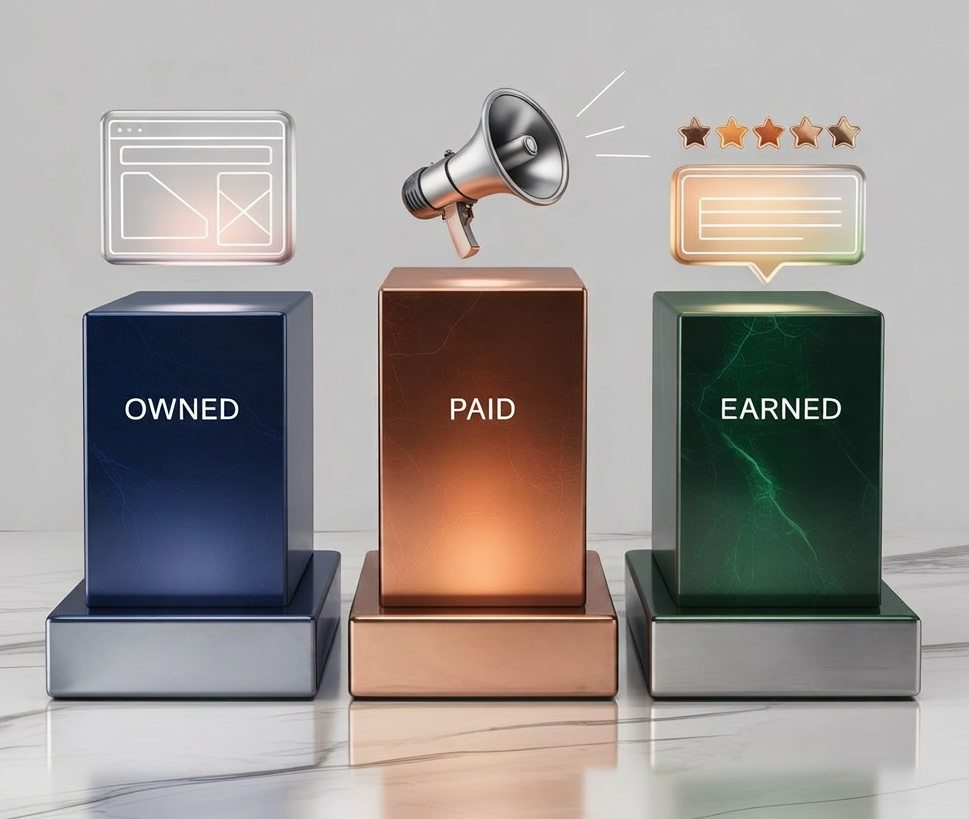
To understand how digital marketing is organized, think of it in three simple categories:
- Owned Media: This is your ‘digital home’. It includes things you own and control completely, like your website, your blog, or your email list.
- Paid Media: This is like ‘renting’ attention’. You pay platforms like Google or Instagram to show your message to people who don’t know you yet through ads or sponsored posts.
- Earned Media: This is the ‘word of mouth’ of the internet. It’s the trust you win when people talk about you, share your posts, or leave a positive review without you paying them to do it.
Types of Digital Marketing
While there are many ways to reach people online, these are the most common tools used today:
- Search Engine Optimization (SEO): The art of making your website show up at the top when someone searches for a topic on Google. It’s about being ‘findable’.
- Social Media Marketing: Building a community and talking to people on apps like Instagram, LinkedIn, or X (Twitter).
- Email Marketing: Sending helpful updates or special offers directly to a person’s inbox. It is one of the most personal ways to stay connected.
- Content Marketing: Creating things like videos, blogs, or podcasts that provide value and help people, rather than just selling to them.
- Paid Advertising (PPC): Paying a small fee each time someone clicks on your ad to quickly get your message in front of new people.
How does digital marketing work?
Digital marketing works by guiding people through a simple three-step journey. Think of it as a funnel that starts wide and gets more focused as people get to know you:
Attract (Awareness): First, you get someone’s attention. This might be through a helpful video on Instagram or a website that pops up when they search for a problem on Google.
Engage (Trust): Once they know you exist, you start a conversation. You provide value like a useful tip or an interesting story—so they begin to trust you and see you as a reliable source.
Convert (Action): Finally, once the trust is built, you give them a clear reason to take action. This could be signing up for a newsletter, booking a call, or buying a product.
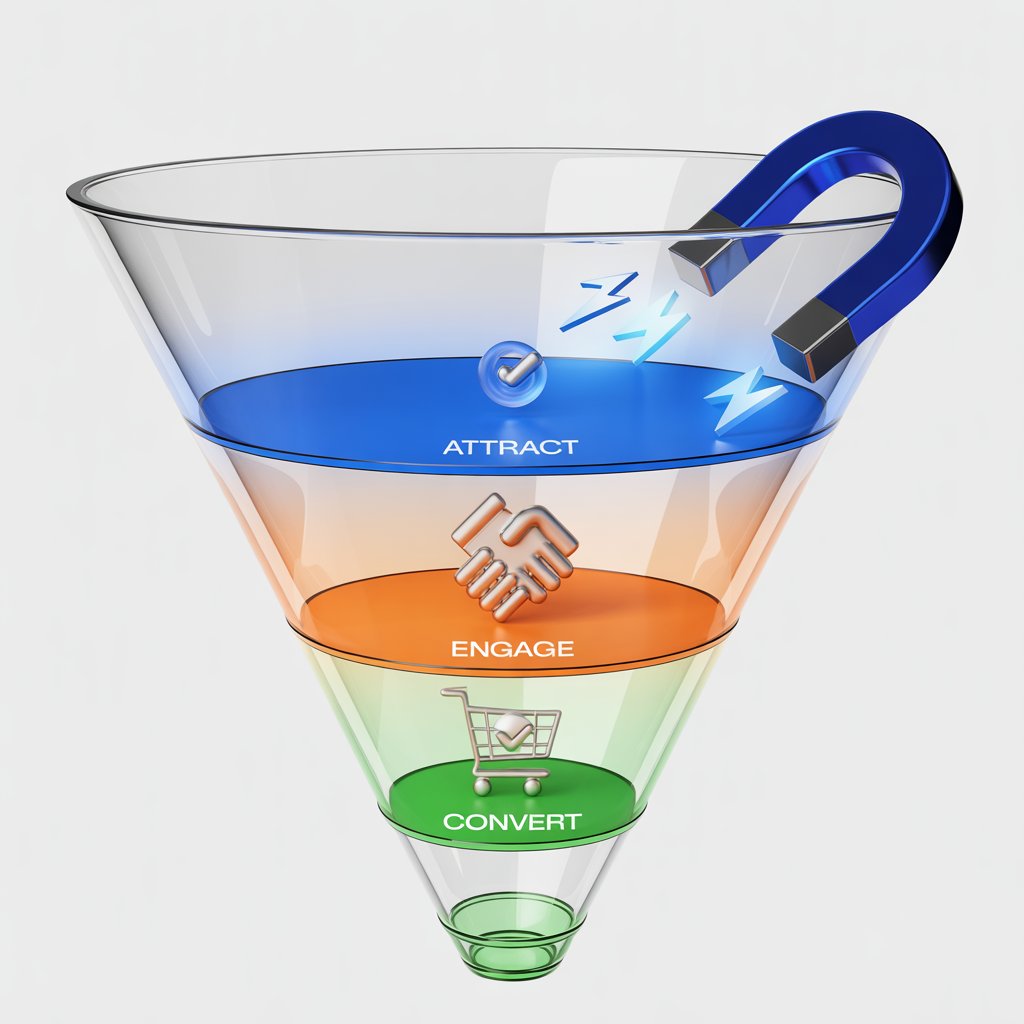
When we look at the funnel, what is digital marketing becomes more than just ads; it becomes a strategy for awareness and conversion
Benefits of Digital Marketing
Based on my experience, Digital marketing is the most powerful way to grow today because it removes the barriers that used to hold businesses back. Here are the three main reasons why it’s so effective:
- It’s Affordable: You don’t need millions of rupees to get started. Unlike a TV ad, you can start a digital campaign with the price of a cup of coffee and still reach the right people.
- It’s Trackable: There is no guessing. You can see exactly how many people saw your post, how many liked it, and exactly how many bought something. It’s like having a report card for your business in real-time.
- It’s Global: Your location no longer limits you. You can be sitting in your room and sharing your ideas, products, or services with someone on the other side of the world instantly.
Challenges of Digital Marketing
While the opportunities are endless, digital marketing isn’t always easy. Here are the three main challenges that I face:
While the opportunities are endless, digital marketing isn’t always easy. Here are the three main challenges that I face:
- It Changes Fast: The internet never sleeps. Social media apps change their rules and Google updates its search system almost every week. To stay successful, you have to be a lifelong learner who can adapt quickly.
- It’s a Crowded Space: Because it is so affordable, everyone is doing it. There is a lot of noise online, which means you have to work much harder to be original and relatable so people don’t just scroll past you.
- It Takes Patience: Many people think digital marketing is an ‘instant’ win. In reality, building a loyal community and gaining a stranger’s trust takes time. It’s a marathon, not a sprint, and it requires consistent effort every single day.
Digital Marketing Trends for 2026
The way we use the internet is changing, and marketing is changing with it. Here are the three big trends shaping 2026:
- AI as Your Assistant: As per Forbes, Artificial Intelligence is no longer a sci-fi dream. It’s a tool that helps businesses understand exactly what you need before you even ask. It makes marketing feel less like a sales pitch and more like a helpful personal assistant.
- The Rise of Real Content: People are tired of perfect, over-edited ads. In 2026, honesty is the new trend. Short, raw videos like someone talking to a camera or using a whiteboard are winning because they feel more relatable and trust worthy.
- Voice and Visual Search: More people are talking to their devices or using their cameras to find things instead of typing. Marketing today is about making sure your business can be heard’ and seen in these new, natural ways.
Frequently Asked Questions
1. Can a business survive today without any digital presence? It is possible, but it’s getting harder every day. Being online is the modern version of word-of-mouth. If people can’t find you on their phones when they search for help, your business essentially doesn’t exist to them. Having a digital presence ensures you are there when your customers need you most.
2. Is digital marketing better for small local shops or big brands? It’s actually the great equalizer. In the old days, only big brands could afford TV ads. Today, a local bakery can use the same tools as a global chain to find customers. Digital marketing gives small businesses a fair chance to grow by focusing on their local community without spending a fortune.
3. Does digital marketing kill the ‘human touch’ in business? Only if you let it. While we use tools and AI to move faster, the goal is actually to have more time for real conversations. The best digital marketing doesn’t feel like a robot talking; it feels like a person helping another person. It’s about using technology to build a deeper, more honest connection.
4. Which type of digital marketing is “the best”? There is no single best type. It depends on your goal. If you want to be found on Google, SEO is best. If you want to build a loyal community, Social Media is best. The most successful businesses usually pick one or two tools that their customers use the most and focus on doing them really well.
Understanding what is digital marketing is just the beginning, the real magic happens when you apply these pillars to grow your brand with honesty and purpose.
Marketing is a journey, and we’re all at different stages. If you’re looking for a trustworthy guide or mentor to help build on your digital marketing foundations, feel free to connect with me.